 Little Wins
Family Life
How can routines leave room for neurodivergent needs?
A routine can offer support without becoming a demand to do everything the same way.
Quick Answer
Flexible steps, communication preferences, and a gentler screen.
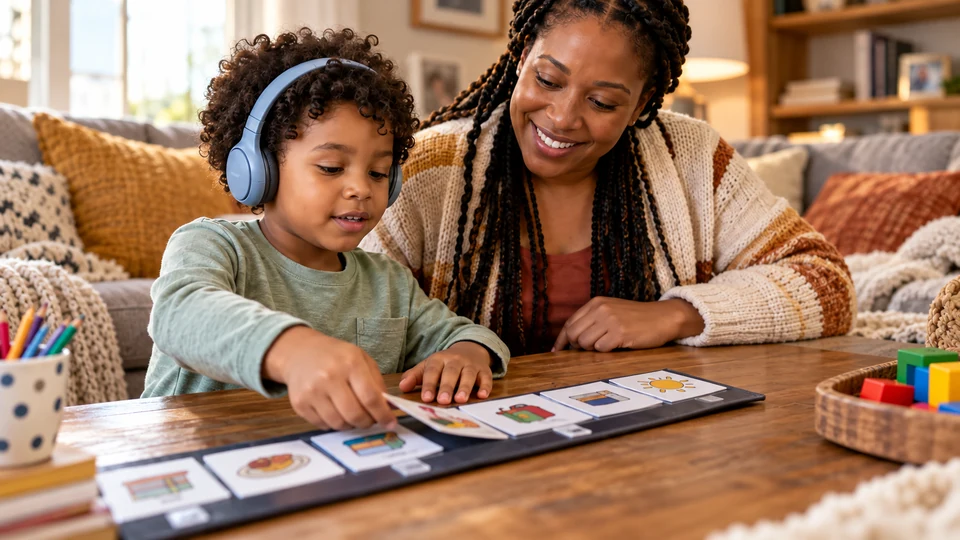
Start with the person
Ask what makes a task easier or harder. A spoken instruction, written list, movement break, or quieter space may feel useful to one person and unhelpful to another. Invite your child’s preferences and accept the ways they communicate.
Make the next action visible
The AAP’s ADHD guidance discusses manageable organization, predictable routines, and written task lists. Those are possible supports to adapt, rather than a universal plan for every neurodivergent person.
Try a three-step experiment
Choose one everyday moment. Write three short actions, remove anything unnecessary, and try showing one step at a time. Pause if the plan is not helping; change it together.
Open Today’s PlannerHelp for parents, too
Keep supplies where you use them and choose one realistic priority. Use the companion app’s calmer view or larger text if they make the screen easier to use. You do not need a diagnosis to use these display options.
These are general supports, not a diagnosis or treatment plan. Ask your child’s care or education team about individualized needs.
What works in your family?
Share one helpful adjustment or ask for a practical idea. You can read quietly, too.
Join the Parent Club conversationSources & Further Reading
Sources
American Academy of Pediatrics / HealthyChildren.org · checked October 8, 2026. Practical experiments are original editorial suggestions; this article has not been independently reviewed by a clinician.