 Little Wins
Children’s Mental Health
When should I seek mental health support for my child?
Move from a concern to a practical appointment plan.
Quick Answer
Move from a concern to a practical appointment plan.
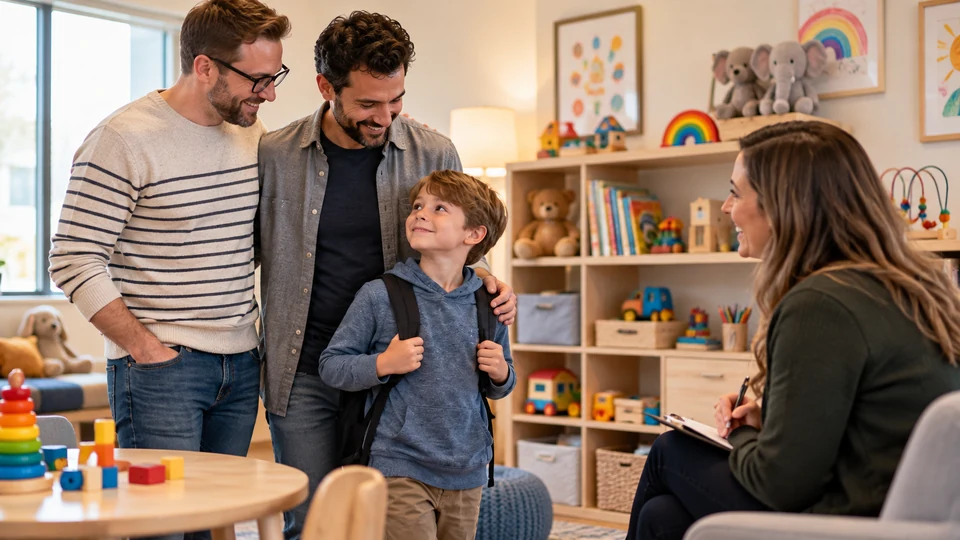
Consider impact, duration, and safety
NIMH advises considering professional help when emotions or behavior persist, cause distress, or interfere with life at home, school, or with friends. You do not have to identify a diagnosis first. A qualified professional can assess what is happening. If behavior is unsafe or your child talks about harming themselves or others, seek help immediately.
Prepare for the first conversation
Write a few everyday examples, when you first noticed them, and what has changed. Include strengths and your child’s own account. Start with their healthcare professional and ask about referral to someone experienced with children. Ask what information from school is useful, what support is available while waiting, and how to arrange a follow-up.
Keep a clear support path
Save the contact name, appointment date, and next action somewhere private. Ask providers how they involve caregivers and accommodate communication needs. The Beautiful Minds resource page offers official information and support directories; the Parent Club is peer conversation, not clinical care. In the United States, call or text 988 for crisis support. For immediate danger or a life-threatening emergency, call 911.
Sources & Further Reading
Source and resources
NIMH · checked October 9, 2026. Household conversation examples are original editorial suggestions. General education; this article has not been independently reviewed by a clinician.
One next step
Choose a useful question or support contact. You do not have to figure everything out alone.
Wonderfully Wired: The Neurodivergent Minds